
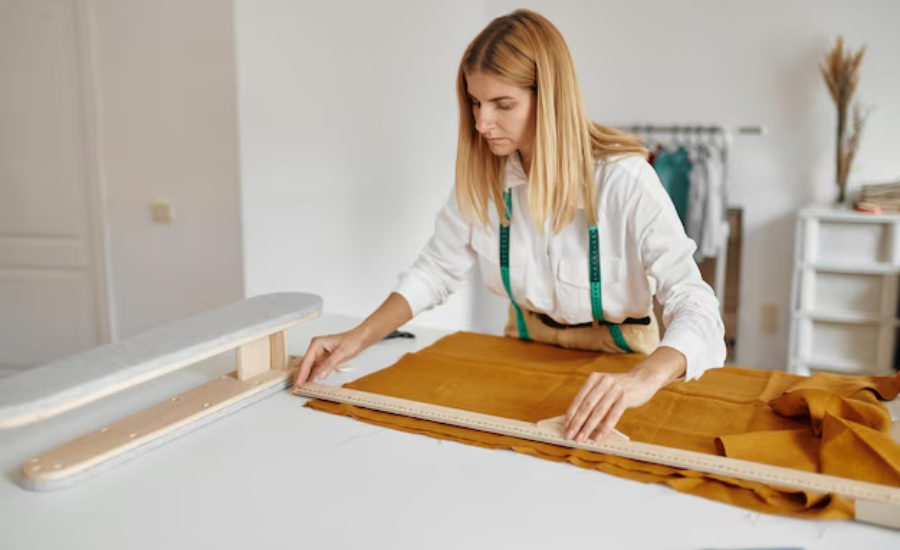
Nahttypen: A Complete Guide to Seam Types and Their Uses
Nahttypen, seam types are not just lines of thread; they determine the durability, Sewing is an art and a skill, and at the heart of every well-crafted garment or home décor item is the choice of the right stitch. Known in German as appearance and flexibility of the finished product. Understanding seam types is crucial for anyone looking to produce professional, polished, and long-lasting pieces. Whether you are a beginner learning your first stitches or a seasoned sewer exploring advanced techniques, knowing the various Nahttypen can transform ordinary fabric into something extraordinary.
Seam types serve different purposes. Some are designed for strength, holding fabric pieces together securely, while others are decorative, adding style and character to a project. A straight stitch is often used for robust seams, providing stability, whereas a zigzag stitch offers flexibility and prevents fraying, making it perfect for stretch fabrics.
Choosing the right stitch is not only about functionality; it also affects how the fabric drapes, how it reacts to wear and tear, and how visually appealing it becomes. The correct use of Nahttypen ensures that every sewing project combines durability with aesthetics.
What is a Nahttypen?
Nahttypen, or seam types, are methods by which fabrics are joined together using a needle and thread. Each stitch type is designed for a specific purpose, influencing the strength, elasticity, and appearance of the fabric. When making garments, accessories, or decorative items, understanding the characteristics of different seam types allows sewers to achieve professional results.
For example, lightweight fabrics like silk or chiffon require delicate stitches that prevent puckering and tearing. On the other hand, thicker fabrics such as denim or canvas demand stronger, reinforced seams to maintain structure and withstand regular use.
Exploring Nahttypen also opens up creative possibilities. By combining functional and decorative stitches, a sewer can add texture, style, and visual interest to a project. Seams can be invisible yet strong, or they can be intentionally prominent, contributing to the overall design. Mastering Nahttypen means being able to balance functionality and artistry, ensuring every piece is both practical and beautiful.
Tips for Beginners
Beginners should start with basic seam types and gradually explore decorative and specialty stitches. Testing stitches on scrap fabric is essential to understand tension and fabric behavior. Even stitching tension ensures smooth seams and prevents puckering or gaps.
Using high-quality threads and needles, along with maintaining sewing tools, contributes to better results. Experimentation with combining seam types encourages creativity while building technical skill, providing confidence in achieving professional finishes.
The Importance of Choosing the Right Seam
Selecting the appropriate seam type is more than a technical choice. It determines the longevity, comfort, and visual outcome of a sewing project. Each stitch behaves differently under tension, stress, and repeated use. A straight stitch, for example, is simple yet durable, ideal for seams that experience everyday wear. Stretch fabrics, including jersey and spandex, require stitches that move with the fabric. Zigzag stitches expand with the material, maintaining integrity while allowing freedom of movement.
Decorative stitches elevate the look of a project. They can transform plain garments into pieces of art by adding texture, patterns, or subtle designs. When used correctly, they enhance the overall appeal without compromising strength. Conversely, using an unsuitable seam type can lead to frayed edges, puckering, and weak joints, making the final piece look unprofessional. Therefore, understanding the purpose and function of each Nahttypen is crucial to creating durable and attractive sewing projects.
Basic Seam Types
Basic seam types are the foundation of sewing. The straight stitch is the most common and versatile, providing strong and consistent seams suitable for most fabrics and projects. It is particularly effective for side seams, hems, and quilting. The straight stitch creates a clean, professional finish and is adaptable to a wide range of fabric weights.
The zigzag stitch offers flexibility and elasticity, which is necessary for stretch fabrics and edges that need reinforcement. It prevents fraying and allows the fabric to move without breaking the seam. Zigzag stitches are ideal for finishing raw edges of knitwear or stretch garments, ensuring the piece maintains both form and function.
The satin stitch, in contrast, is primarily decorative. It forms dense, smooth lines that are perfect for appliqué, lettering, or embellishments. By creating tightly packed threads, satin stitches provide a polished and elegant look, turning simple fabric into visually striking creations. Learning to use these basic stitches effectively establishes a strong foundation for exploring more advanced seam types.
Decorative Seam Types
Decorative seams go beyond functionality and allow for creativity and expression. The French knot adds small, raised details, ideal for floral designs or textured accents. It gives a three-dimensional effect, enhancing the visual depth of a project. The chain stitch forms interlocking loops, creating a flexible and visually appealing line.
It is commonly used to outline shapes or add ornate patterns. The blanket stitch, while decorative, also secures edges, preventing fraying and adding a neat, finished look. These decorative seam types allow crafters to combine utility with artistry, transforming ordinary sewing projects into personalized works of art.
Specialty Seam Types
Certain seams are designed for specific purposes. Hemming stabilizes raw edges, giving garments and fabric items a smooth, neat finish that prevents fraying. Buttonhole stitches provide both functionality and aesthetics, ensuring buttons are securely fastened while maintaining a polished appearance.
Embroidery stitches turn fabric into a canvas, allowing for motifs, lettering, and intricate designs. Mastery of these specialty seam types enhances the professional quality of a project, whether it is functional or decorative.
Choosing the Right Seam for Your Fabric
The selection of seam types must take fabric type, project purpose, and desired appearance into account. Lightweight fabrics such as chiffon and silk require gentle stitches to avoid damage, while heavier fabrics like denim need reinforced seams.
Stretch fabrics demand elastic stitches to maintain form and flexibility. Additionally, the thickness of the thread and the length of the stitch must align with the material to achieve durability and a smooth finish. Experienced sewers consider these factors carefully to ensure that the chosen seam supports the structure and enhances the overall look of the finished item.
Thread Selection
The type of thread used can significantly affect the quality of a seam. Cotton threads are soft and durable, suitable for natural fabrics. Polyester threads provide strength and elasticity, ideal for stretch fabrics and garments subjected to frequent use. Silk threads are smooth and lustrous, perfect for high-end embroidery and delicate projects.
Thread thickness and color are also essential considerations. Matching thread to fabric ensures an invisible seam, while contrasting threads can add decorative flair. By selecting the right thread, sewers can achieve both functional and aesthetic success in their projects.
Next Read: Beatrice McCartney
Combining Seam Types
Combining different seam types can create projects that are both strong and visually appealing. For instance, a straight stitch might be used as a foundation for a seam, with decorative satin stitching added along the edges for enhancement. Chain stitches or French knots can be layered over basic stitches to introduce texture and design.
Combining seams allows for greater creativity while maintaining the integrity of the fabric. This approach is particularly effective in quilting, home décor, and fashion projects where both strength and style are important.
Common Mistakes and How to Avoid Them
Many sewing errors stem from using the wrong seam type for a project or fabric. Inconsistent tension, inappropriate thread selection, and failure to test stitches on scrap fabric can result in uneven seams, fraying, or puckering. Neglecting sewing machine maintenance also leads to skipped stitches and uneven sewing. By understanding the specific needs of each fabric and project, sewers can avoid these common mistakes and produce professional-quality results.
Maintaining Sewing Tools
Proper maintenance of sewing tools is crucial for consistent results. Sewing machines should be cleaned regularly to remove dust and lint. Moving parts require oiling according to the manufacturer’s instructions. Needles should be replaced when dull or bent, and scissors or rotary cutters must be kept sharp to ensure clean cuts.
Organized storage of threads and fabrics prevents tangling and damage. Well-maintained tools enable sewers to focus on creativity rather than troubleshooting technical issues, ultimately improving the quality and efficiency of projects.
Latest Trends in Seam Types
Recent sewing trends have emphasized sustainability, innovation, and creativity. Eco-friendly threads made from recycled polyester or organic cotton are becoming increasingly popular. Advanced embroidery machines provide precision and speed for professional-quality results.
Decorative seam techniques are being applied in modern fashion, DIY home décor, and personalized gifts, reflecting both functionality and artistic expression. Staying updated with these trends helps sewers incorporate contemporary practices into their work while enhancing the durability and beauty of their projects.
Practical Applications in Fashion and Home Décor
Nahttypen are applied in a variety of ways. In clothing, seams provide structure, durability, and style. Accessories like bags, hats, and scarves benefit from both functional and decorative seams, ensuring longevity and aesthetic appeal. In home décor, projects such as quilts, curtains, and pillow covers use combinations of basic, decorative, and specialty seams to achieve polished and durable results. Understanding how different seam types perform in real-world applications allows sewers to create projects that are both practical and visually stunning.
FAQs
What are the main types of seams? Basic seams include straight, zigzag, and satin stitches. Decorative seams include French knot, chain, and blanket stitches. Specialty seams include hemming, buttonholes, and embroidery.
How do I choose the right seam for my fabric? Consider fabric type, project purpose, and thread selection. Testing on scrap fabric helps identify the best seam for each material.
Why is thread choice important? Thread affects both durability and appearance. Cotton is suitable for natural fabrics, polyester for stretch fabrics, and silk for delicate projects.
Can I combine different seam types in one project? Yes, combining functional and decorative seams enhances both strength and visual appeal.
How do I maintain my sewing tools? Regular cleaning, oiling, replacing needles, sharpening scissors, and proper storage ensure smooth operation and professional results.
Conclusion
Mastering Nahttypen is essential for creating durable, functional, and beautiful sewing projects. From basic straight stitches to decorative embroidery, each seam type serves a unique purpose, influencing the appearance and longevity of the finished item. Choosing the right seam for your fabric, project, and thread, maintaining your tools, and experimenting with combinations of seams allows sewers to produce professional-quality results.
Understanding and applying Nahttypen transforms simple fabric into works of art, combining strength, creativity, and personal expression. Whether for fashion, home décor, or personalized gifts, knowledge of seam types ensures every project is functional, attractive, and crafted to last.
Stay updated with clear, Tech-oriented, and insightful articles by exploring more on Discover Aura.